
Woof woof! Hi there, fellow humans (and maybe some curious cats peeking over shoulders)! 🐶🐱
I’m your friendly eco-pup, here to wag my tail and bark about something super important: eco-friendly pet products. Yup, that’s right — the stuff you buy for me (and my whiskered pals) can either help or hurt this big beautiful planet we love running, sniffing, and napping on.
The best part? You don’t have to choose between spoiling us pets and protecting Mother Earth. With a little smart shopping, you can do both. So, sit, stay, and let me guide you through the 10 best eco-friendly pet products every dog and cat parent should try — plus some paw-some tips to make your daily routines greener, cleaner, and happier for everyone.
Why Eco-Friendly Pet Products Matter 🌍
Before we dive nose-first into the list, let me explain why this matters. You see, regular pet products can be ruff on the planet. Plastic toys end up in landfills, chemical-heavy shampoos wash into waterways, and over-processed pet food means more greenhouse gases.
But eco-friendly products? They’re made with love — for us and the Earth. They use sustainable materials, renewable resources, and often come in recyclable or compostable packaging. That means fewer pawprints on the planet and healthier, happier lives for pets and people alike.
Okay, now let’s roll over into the fun part — my top 10 picks!
🥎 1. Eco-Friendly Pet Toys Made from Recycled Materials
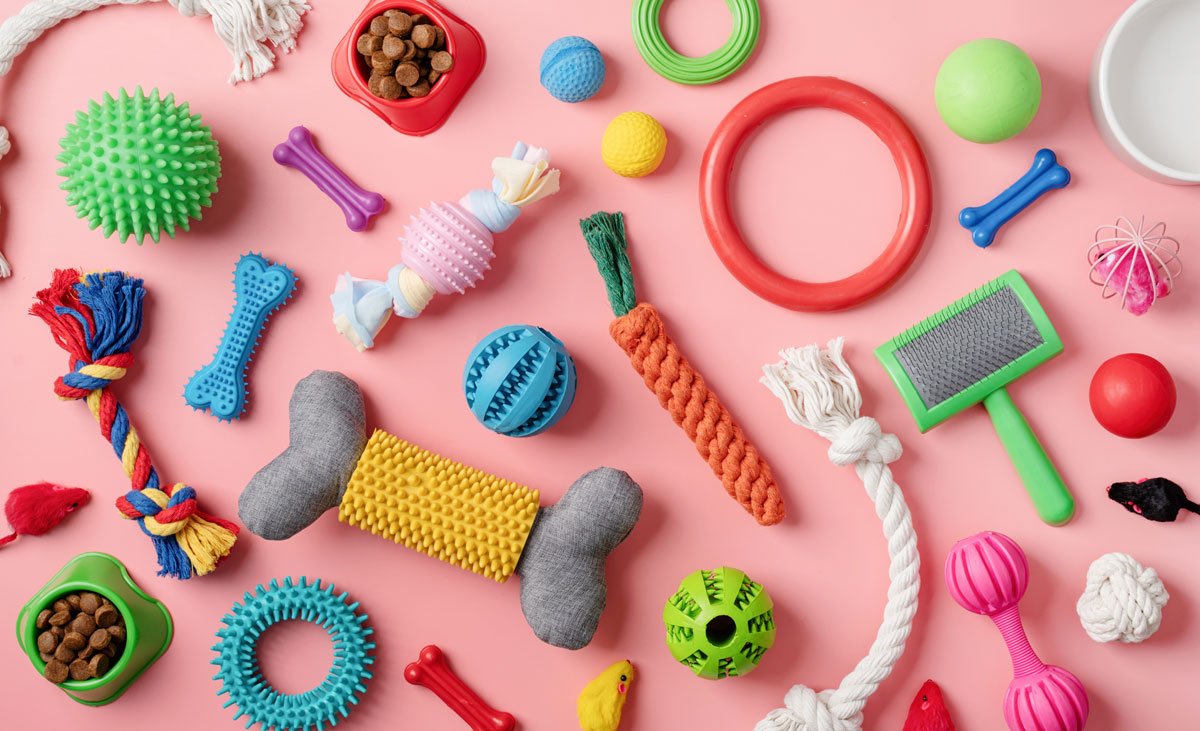
Bark alert! Did you know a lot of dog and cat toys are made from plastics that never break down? Eco-friendly toys made from recycled rubber, hemp, or organic cotton are a tail-wagging alternative.
Practical Tip #1: Choose toys from companies that clearly state what materials they use. Look for labels like recycled, organic, or plastic-free packaging. Bonus points if the toy is durable enough to survive my zoomies!
🍖 2. Organic & Sustainable Treats
Nothing makes me drool faster than a tasty treat. But some snacks are full of artificial ingredients or made from unsustainable meat sources. Eco-friendly treats use organic ingredients, responsibly sourced proteins, or plant-based recipes.
Practical Tip #2: Try rotating between plant-based treats and traditional protein snacks. It lowers the environmental impact while keeping my tummy happy and my tail wagging.
🛏️ 3. Pet Beds Made from Recycled Fabrics
Ahhh, nap time! 💤 But did you know most pet beds are stuffed with synthetic fibers that take forever to break down? Eco-friendly beds use recycled plastic bottles, hemp stuffing, or organic cotton covers. Cozy for me, kind for Earth.
Practical Tip #3: When shopping, check if the bed cover is removable and washable. This keeps the bed lasting longer, which means less waste and more snuggles.
🚿 4. Natural & Biodegradable Shampoos
Bath time might not be my favorite, but I sure love the cuddles afterward! Many shampoos, however, contain harsh chemicals. Eco-friendly shampoos use plant-based, biodegradable ingredients that are safe for me, you, and the fishies downstream.
Practical Tip #4: Look for shampoos free from parabens, sulfates, and artificial fragrances. Trust me, I smell paw-sitively fresh without the toxins!
🛍️ 5. Compostable Poop Bags
Okay, let’s talk potty breaks 💩. Regular plastic bags? Yikes — they stick around for hundreds of years. Compostable poop bags made from cornstarch or biodegradable polymers break down naturally.
Practical Tip #5: Carry a roll of compostable bags whenever we head out. If your city has composting services, make sure you’re disposing of them properly. One small switch makes a huge difference!
🐾 6. Eco-Friendly Litter for Cats
For my feline friends, traditional clay litter is a big environmental no-no. Mining for clay is destructive, and it doesn’t biodegrade. Eco-friendly litters use wheat, corn, recycled paper, or even coconut husks.
Practical Tip #6: Transition slowly — cats can be picky. Mix the eco-friendly litter with the old brand at first, then gradually switch. Your cat (and the Earth) will thank you.
🍲 7. Sustainable Pet Bowls & Feeders
Plastic bowls? No thanks! Eco-friendly feeders use bamboo, stainless steel, or recycled materials. They’re durable, safe, and keep my mealtime eco-approved.
Practical Tip #7: Invest in one or two high-quality, non-plastic bowls. They last longer, are easier to clean, and reduce plastic waste big time.
🧴 8. Refillable & Bulk Pet Care Products
From flea treatments to grooming sprays, many products come in single-use bottles. But some eco-brands offer refill stations or bulk buy options to cut down packaging waste.
Practical Tip #8: Choose refill packs over brand-new bottles whenever possible. Less plastic, more paw-sitivity!
🚗 9. Sustainable Travel Gear for Pets
Heading on adventures? Eco-friendly carriers, leashes, and harnesses made with hemp, organic cotton, or recycled nylon are durable and Earth-kind.
Practical Tip #9: Pick multipurpose gear — like a carrier that doubles as a bed — to avoid overbuying. Fewer products = less waste.
🐕🦺 10. Eco-Friendly Pet Apparel
Yes, we love fashion too! But fast fashion isn’t just a human problem. Eco-friendly pet clothes use organic fabrics, natural dyes, and recycled materials. Stylish and sustainable? Count me in!
Practical Tip #10: Buy quality over quantity. One well-made sweater lasts longer (and looks cuter) than five cheap ones. Plus, I’ll strut proudly knowing I’m helping the planet.
 How to Make Your Pet Routine Greener (Even Without Buying New Stuff)
Here’s the real tail-wagging secret: eco-friendly living isn’t just about buying new products. It’s about changing habits!
-
Recycle packaging from pet food bags and treat containers.
-
Donate old pet supplies (like toys or beds) to shelters instead of tossing them.
-
DIY toys and treats using safe, natural household items.
-
Walk more, drive less — we love sniffing trails, and it’s greener than car rides.
-
Support brands that prioritize sustainability and ethical sourcing.
Every little change adds up to a healthier planet for pets and humans.
 Final Thoughts from Your Eco-Pup 🌱🐶
So there you have it — the 10 best eco-friendly pet products every dog and cat parent should try. From toys to treats, poop bags to beds, every choice you make has a ripple effect. When you choose green, you’re not just spoiling us — you’re protecting the places we love to explore, nap, and play.
Remember, being an eco-friendly pet parent doesn’t mean being perfect. It’s about small, consistent changes that add up to a big impact. Together, we can make sure our pawprints leave the world a little brighter, greener, and happier.
Now excuse me while I chase a butterfly (don’t worry, I won’t catch it 🦋). Thanks for listening to my happy tail about eco-friendly living. Woof woof, and see you on the green side!
Eco-Friendly Pet Products: FAQ
What makes a pet product “eco-friendly”?
Materials (recycled, organic, biodegradable), low-tox ingredients, responsible sourcing, durable design, and minimal/compostable packaging. Bonus points for third-party certifications and transparent supply chains.
How do I know if a brand is truly sustainable and not greenwashing?
Look for specifics: exact material percentages, lifecycle details, certifications (e.g., GRS for recycled content, FSC for paper/wood, USDA Organic for ingredients), and clear end-of-life instructions. Vague claims like “eco” without proof are red flags.
Are compostable poop bags really compostable?
Compostable bags should meet standards (e.g., ASTM D6400/EN 13432). Only compost in facilities that accept pet waste; most backyard composts are not safe for it. If industrial composting isn’t available, they still reduce plastic, but dispose per local rules.
Which cat litters are better for the planet?
Plant- or paper-based options (wheat, corn, wood, paper, coconut). Transition gradually by mixing with your current litter to help picky cats adjust.
Do plant-based treats provide enough nutrition?
For treats, yes—when used as supplements to a balanced diet. Check protein sources, avoid artificial additives, and follow your vet’s guidance for pets with sensitivities or special diets.
Is stainless steel or bamboo better for bowls?
Stainless steel is ultra-durable, inert, and long-lasting. Bamboo/composite bowls can be a good low-plastic option but verify food-safe binders and care instructions. Either way, prioritize longevity and easy cleaning.
What eco-friendly materials should I look for in toys and gear?
Recycled rubber or PET, hemp, organic cotton, cork, and natural rubber. Choose tough construction to extend product life (repair when possible) and avoid mixed materials that are hard to recycle.
How can I make my pet routine greener without buying new stuff?
Repair toys, wash and reuse bed covers, buy in bulk/refill, donate outgrown items to shelters, upcycle T-shirts into tug toys, and walk more/drive less for enrichment and lower emissions.
Are natural shampoos as effective as conventional ones?
Yes—look for plant-based surfactants, pH-balanced formulas, and transparent ingredient lists. Avoid parabens, sulfates, phthalates, and heavy synthetic fragrance. Patch-test sensitive pets.
What’s one high-impact swap to start with today?
Switch to compostable poop bags (dogs) or sustainable litter (cats), and pair it with a durable stainless bowl. Small daily changes add up fast.