

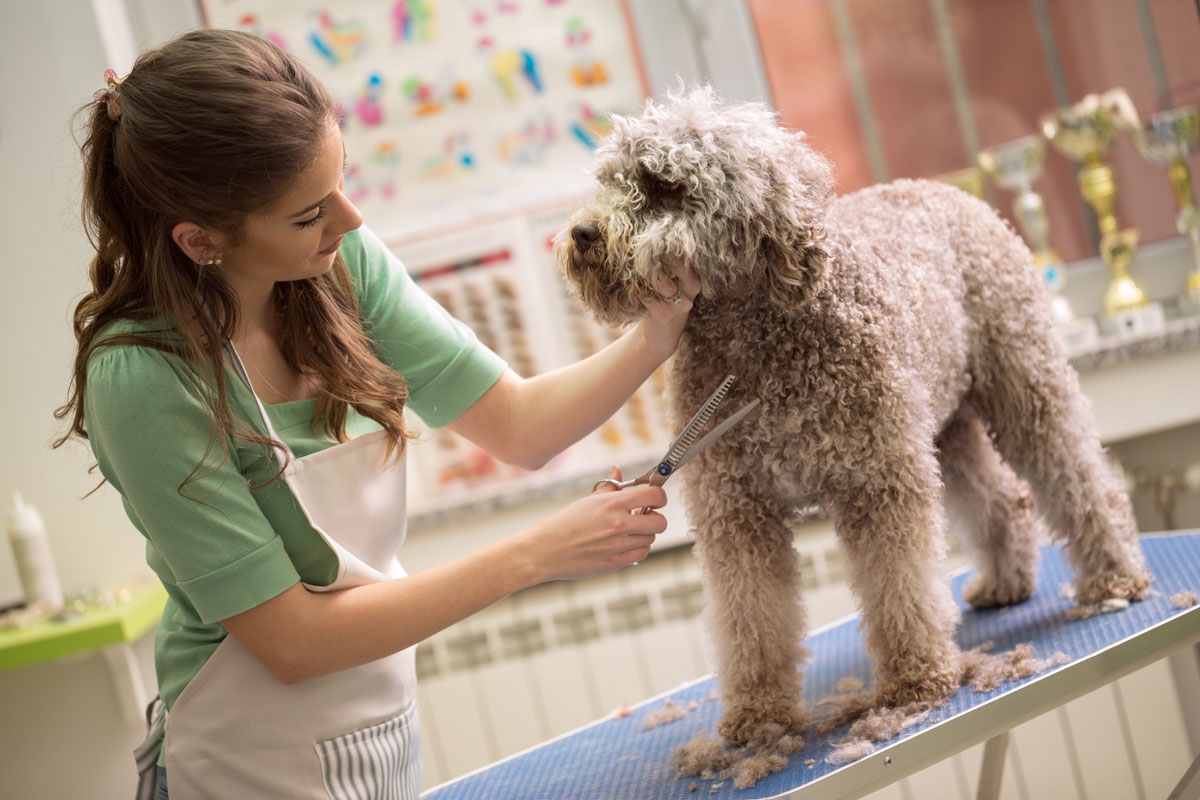
Hello, furry families! 🐶🐱
We’re your friendly neighborhood Pet Groomers, and today, we’re ready to spill some secrets. Yup, that’s right—after years of trimming, brushing, bathing, clipping, and cuddling your precious pups and whiskery kitties, we’ve learned a thing or two. And guess what? We’ve been dying to share these insights with you!
Why? Because grooming isn’t just about keeping your pets looking picture-perfect—it’s about keeping them healthy, comfortable, and happy. And when pets are happy, their humans are happy too.
So grab your brushes and maybe a squeaky toy, because we’re going to reveal 10 secrets we wish every dog and cat parent knew. Not only will this make your life easier, but your pets will absolutely love you for it.
Secret 1: Brushing Is More Than Beauty ✨
Most people think brushing is just to keep fur from looking messy. But here’s the truth: brushing helps with skin health, blood circulation, and bonding.
Practical Tip #1:
Make brushing a daily cuddle ritual. Even 5 minutes a day can reduce shedding, prevent painful mats, and give you a chance to spot bumps or fleas early. Plus, your pet will love the extra attention!
Secret 2: Bath Time Isn’t One-Size-Fits-All 🚿
We know what you’re thinking: “How often should I bathe my pet?” The answer? It depends on their coat, lifestyle, and health. Some dogs need baths every 4–6 weeks, while cats (self-grooming pros) may only need occasional freshening.
Practical Tip #2:
Check your pet’s breed needs before deciding on bath schedules. Always use pet-safe shampoo (human shampoo can dry their skin!). And here’s a fun hack: toss a lick mat with peanut butter (for dogs) or tuna paste (for cats) in the tub to turn bath time into treat time.
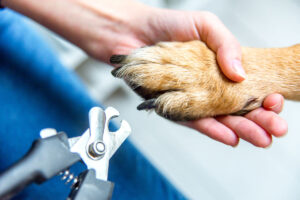 Secret 3: Nails Matter More Than You Think 🐾
Overgrown nails don’t just click annoyingly on your floor—they can cause joint pain, posture problems, and even injury. We groomers trim nails not for looks, but for long-term health.
Practical Tip #3:
Check nails every 2–3 weeks. If you hear clicking on the floor, it’s time for a trim! Nervous about clipping? Try a nail grinder or let a professional do it. Bonus: regular short walks on pavement naturally file nails down.
Secret 4: Ear Care Prevents Big Problems 👂
Ears can be sneaky troublemakers! Especially in floppy-eared pups or cats with lots of fur, ear infections can build up quickly. Groomers often clean ears during appointments, but home care is just as important.
Practical Tip #4:
Do a weekly ear check: look for redness, odor, or excess wax. Use vet-approved ear cleaner and cotton balls—never cotton swabs! Catching problems early can save your pet from painful infections.
Secret 5: Grooming Builds Confidence & Reduces Anxiety 😺🐕
You might not realize this, but regular grooming helps pets feel more confident. Tangled fur, dirty ears, or overgrown nails can make them uncomfortable and anxious. Once groomed, many pets strut around like little supermodels!
Practical Tip #5:
Start grooming young, even if it’s just playtime with a brush or handling their paws. Use positive reinforcement—treats, praise, belly rubs—to build a happy association with grooming time.
Secret 6: The Right Tools Make All the Difference 🧰
Using the wrong brush or shampoo can actually harm your pet. Groomers invest in professional tools because they know each coat type—short, long, curly, double—needs something specific.
Practical Tip #6:
Ask your groomer for tool recommendations. For example, slicker brushes work wonders on doodles, while bristle brushes are better for short-haired breeds. A good de-shedding tool can save your sofa (and your vacuum cleaner!).
Secret 7: Grooming Is About Health Checks Too 🩺
Here’s a secret: when we groom, we’re also performing a mini health check. We often spot lumps, skin issues, ear infections, or dental problems before owners do.
Practical Tip #7:
When brushing, gently run your hands over your pet’s body. Feel for lumps, bumps, or hot spots. Peek inside their mouth. The earlier you notice something, the quicker your vet can help. Grooming = early detection.
Secret 8: Cats Need Grooming Too 🐈✂️
Surprise! Cats aren’t fully self-sufficient. Long-haired breeds especially need help avoiding mats, which can get painful fast. Regular brushing and occasional trims keep them comfy.
Practical Tip #8:
Introduce cats to grooming slowly. Start with short, calm brushing sessions. If mats develop, don’t cut them out at home—it’s risky! Let a groomer handle it safely.
Secret 9: Grooming Reduces Allergies for Humans 🌸
Did you know grooming isn’t just for pets—it helps humans too? Regular brushing and bathing reduce dander, hair, and allergens in your home.
Practical Tip #9:
If you or your family have allergies, commit to a regular grooming routine. Wash bedding and toys weekly, vacuum often, and ask your groomer about hypoallergenic shampoos. Both you and your pet will breathe easier.
Secret 10: Groomers Are Your Partners in Pet Care ❤️
We’re not just here to make pets fluffy—we’re part of your pet’s wellness team. Think of us like your pet’s stylist and health cheerleader rolled into one. We love your pets almost as much as you do!
Practical Tip #10:
Build a relationship with your groomer. Share your pet’s quirks, health issues, and preferences. The better we know your furry friend, the better we can care for them.
 Wrapping It Up 🎀
See? Grooming is more than just cute bows and shiny coats (though we do love a good bow). It’s about health, comfort, bonding, and happiness—for both pets and their humans.
So, here’s what we pet groomers want you to remember:
-
Brushing = bonding.
-
Bathing is tailored to each pet.
-
Nails, ears, and fur care prevent bigger issues.
-
Grooming is a confidence booster.
-
The right tools and routines keep everyone healthier and happier.
Your pets don’t just leave the salon looking fabulous—they leave feeling fabulous too. And when they feel their best, your whole home shines a little brighter.
So grab that brush, book that appointment, and give your furry friend a little spa day love. Trust us—they’ll thank you with extra tail wags, head boops, and cuddles. 🐾💖
FAQ: Pet Grooming Secrets, Explained
How often should I groom my dog or cat?
What brush should I use for my pet’s coat?
Long/straight: pin brush + metal comb
Curly/wool: slicker brush + comb
Double coat (shedding breeds): undercoat rake + slicker
How can I reduce shedding at home?
How do I know it’s time for a nail trim?
Can I use human shampoo on my pet?
My pet hates grooming—what can I do?
Are mats really a big deal?
How do I keep ears healthy between grooms?
What should I do the day before a grooming appointment?
Is grooming just cosmetic?
How can grooming help with human allergies?
How do I choose the right groomer?