
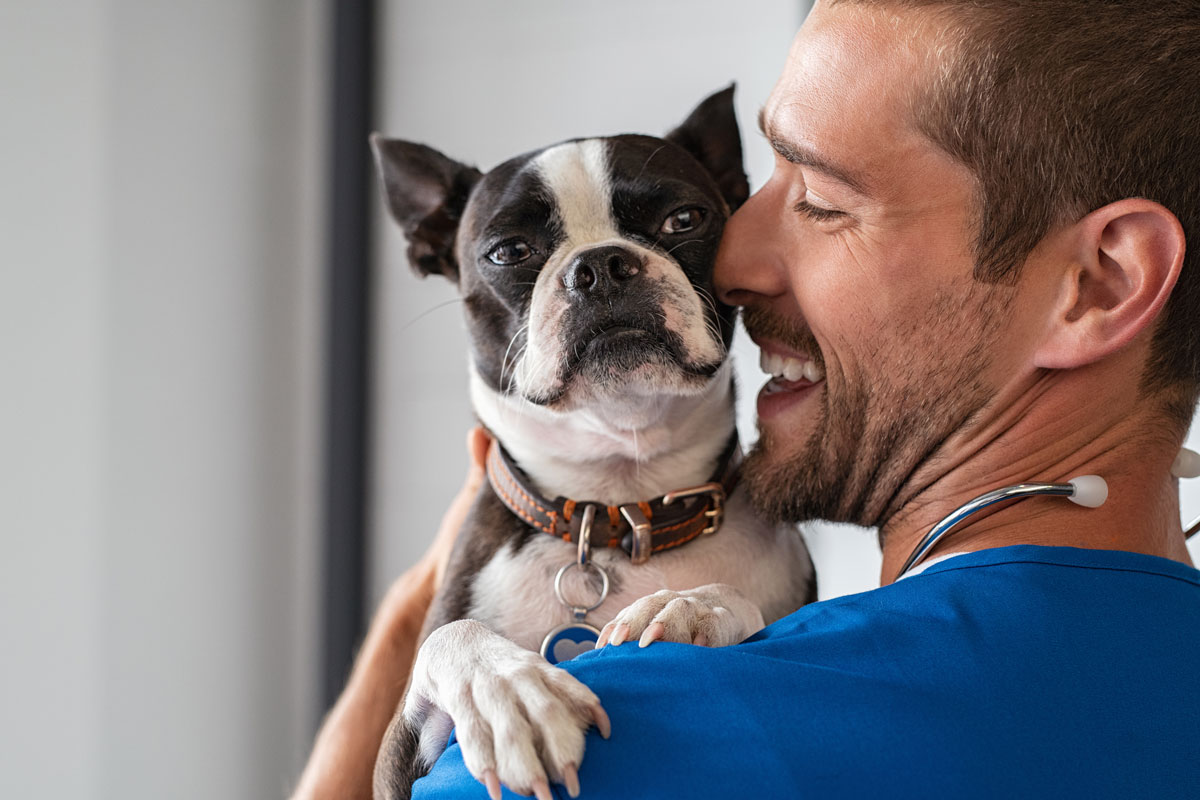
As a veterinarian, I’m privileged to see firsthand how the world of pet care continues to evolve — from breakthrough medical treatments to lifestyle innovations that make our furry companions healthier, safer, and happier than ever before.
But staying informed isn’t always easy. Between busy workdays and the flood of online information, many pet owners miss crucial updates that could significantly impact their pets’ well-being. That’s why I’ve compiled this must-read report on the latest trends and discoveries shaping the pet industry in 2025 — complete with 10 practical, veterinarian-approved tips to help you apply these updates in everyday life.
🧬 1. Health Breakthrough: Preventive Veterinary Care Goes High-Tech
Preventive care has always been the cornerstone of good veterinary medicine, but in 2025, it’s evolving faster than ever thanks to digital diagnostics and wearable health tech.
Pet health trackers — much like fitness watches for humans — now monitor temperature, heart rate, sleep patterns, and even stress levels in real time. When paired with AI-powered apps, these devices alert owners (and veterinarians) to subtle health changes before symptoms even appear.
In clinics, telehealth integration and AI-driven diagnostics are transforming preventive screenings, allowing veterinarians to detect early signs of disease from a simple digital scan.
Veterinarian’s Tip #1:
👉 Invest in a reputable pet health tracker or smart collar. Look for FDA-approved or vet-endorsed brands that monitor vital signs and behavior. Share this data with your veterinarian during check-ups — it can reveal early indicators of conditions like diabetes, kidney disease, or anxiety.
🦠 2. Zoonotic Awareness: New Insights into Pet-Human Disease Transmission
The COVID-19 pandemic raised global awareness of zoonotic diseases — illnesses that can spread between animals and humans. Recent research has expanded this field, identifying new bacterial and fungal strains that may pass through household pets, especially in multi-pet homes.
While there’s no reason for panic, this information reinforces the need for consistent hygiene, routine deworming, and up-to-date vaccinations. Environmental pathogens, such as Leptospira and Giardia, remain concerns for pets that play outdoors or drink from puddles.
Veterinarian’s Tip #2:
👉 Wash your hands after handling pet waste, raw food, or soil.
👉 Keep your pet’s vaccinations — especially for rabies, leptospirosis, and bordetella — current.
👉 Ask your vet about fecal screenings every six months, particularly if your pet frequents parks or interacts with wildlife.
🐾 3. Nutrition Evolution: Functional Foods and Personalized Diets
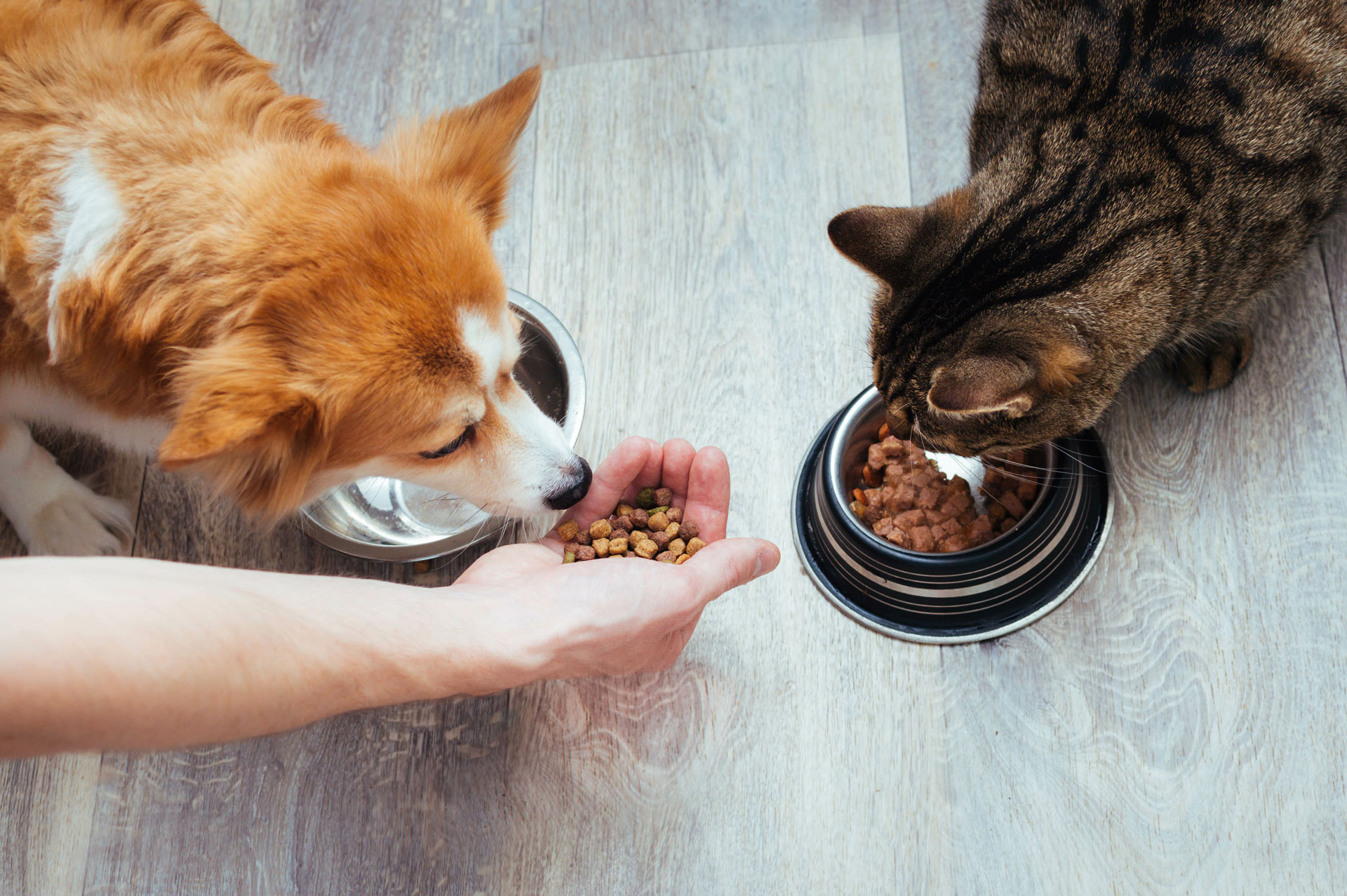
Pet nutrition is undergoing a revolution. No longer limited to generic kibble, today’s diets are scientifically tailored to breed, age, genetics, and lifestyle. Many manufacturers are introducing functional ingredients that target specific health concerns: omega-3s for joint health, probiotics for digestion, and antioxidants for immune support.
Even more exciting is the rise of DNA-based diet plans, allowing veterinarians to customize nutrition based on genetic predispositions to obesity, allergies, or heart disease.
Veterinarian’s Tip #3:
👉 Consider a nutritional consultation with your vet before switching diets.
👉 Avoid following viral “raw diet” trends without professional guidance — many lack balance and can cause bacterial contamination.
👉 Opt for brands that undergo AAFCO feeding trials and have veterinary nutritionists on staff.
🌎 4. Eco-Friendly Pet Care: The Green Pawprint Movement
As environmental awareness grows, so does the focus on sustainability within the pet industry. In 2025, eco-friendly pet care has become a full-scale movement — from compostable poop bags to plant-based treats and biodegradable litter.
Manufacturers are rethinking packaging, and pet owners are choosing products that reduce plastic waste and carbon footprints. Even veterinary clinics are joining the trend, adopting paperless systems, energy-efficient lighting, and recyclable medical supplies.
Veterinarian’s Tip #4:
👉 Switch to biodegradable litter and waste bags.
👉 Support brands that use recyclable or refillable packaging.
👉 Consider sustainable protein sources like insect-based pet food — surprisingly nutritious and eco-friendly!
🧘♀️ 5. Emotional Health: Addressing Pet Anxiety with Science
Behavioral health is finally earning the attention it deserves. According to recent veterinary studies, over 40% of dogs and 30% of cats experience some form of anxiety — whether from loud noises, separation, or environmental change.
New therapies such as CBD supplements, pheromone diffusers, and pressure vests have shown measurable results. Even more promising are AI-driven behavioral apps, which analyze movement patterns and vocalizations to detect stress levels early.
Veterinarian’s Tip #5:
👉 Watch for early signs of anxiety — pacing, panting, destructive behavior, or withdrawal.
👉 Provide mental stimulation (interactive toys, puzzles, or training sessions).
👉 Discuss natural calming solutions with your vet before resorting to medication.
🚗 6. Safety Revolution: Smart Devices That Save Lives
Pet safety technology has come a long way from the simple collar tag. In 2025, smart collars with GPS tracking, temperature sensors, and boundary alerts are standard among conscientious owners. Some even sync with home security systems, sending instant alerts if a pet leaves the yard or is exposed to dangerous heat.
Additionally, automotive safety for pets has improved dramatically — crash-tested harnesses and carriers now meet global safety standards, reducing injuries during car travel.
Veterinarian’s Tip #6:
👉 Always use a crash-tested seat belt harness or secured carrier when driving.
👉 Keep microchip registration info current and linked to your phone and email.
👉 Never leave pets unattended in vehicles — even mild outdoor temperatures can reach fatal levels inside cars within minutes.
🧫 7. Medical Innovation: Regenerative and Genetic Therapies on the Rise
One of the most exciting frontiers in veterinary medicine is regenerative therapy — using the body’s own cells to heal and restore. Stem cell treatments and platelet-rich plasma (PRP) injections are increasingly common for arthritis, ligament tears, and chronic inflammation.
At the genetic level, researchers are exploring gene editing to eliminate inherited disorders, such as hip dysplasia and cardiac defects. While still in early stages, these developments signal a future where genetic disease prevention becomes standard.
Veterinarian’s Tip #7:
👉 Ask your vet if your pet could benefit from regenerative therapies, especially for joint or orthopedic issues.
👉 Keep a detailed medical record of your pet’s lineage or DNA test results — they can guide preventive strategies as technology evolves.
🧴 8. Grooming & Hygiene: Beyond Beauty — A Matter of Health
Grooming is more than a cosmetic ritual; it’s essential to overall health. Dermatological issues remain among the top five reasons for vet visits, often due to allergens, parasites, or fungal infections. The latest innovations in pet grooming focus on medicated shampoos, hypoallergenic wipes, and antimicrobial brushes that promote skin balance and reduce infection risk.
Even the humble bath is being redefined — with enzyme-based cleansers that preserve natural oils while eliminating odor and pathogens.
Veterinarian’s Tip #8:
👉 Brush your pet regularly to stimulate circulation and detect lumps early.
👉 Use vet-recommended grooming products, especially for pets with allergies.
👉 Schedule professional grooming every 4–8 weeks depending on breed, coat type, and climate.
🏡 9. Lifestyle Shifts: The Rise of Pet-Inclusive Homes and Workspaces
The human-animal bond has never been stronger. With remote and hybrid work now the norm, pets are spending more time alongside their owners — fostering emotional well-being on both sides. As a result, designers and employers alike are adapting to pet-inclusive environments.
Pet-friendly housing features built-in feeding stations, pet doors, and washable flooring, while workplaces are introducing pet visitation programs to reduce employee stress.
Veterinarian’s Tip #9:
👉 If you work from home, establish a consistent routine for walks, playtime, and feeding to prevent behavioral issues.
👉 Create a dedicated comfort zone with soft bedding and natural light.
👉 Encourage safe socialization — gradual introductions, supervised play, and plenty of positive reinforcement.
💉 10. Vaccines, Parasite Control & Preventive Health in 2025
Finally, the cornerstone of lifelong health: preventive medicine. Recent updates in vaccination protocols and parasite control have streamlined the process for both pets and owners.
New combination vaccines reduce the number of injections required, while long-lasting flea, tick, and heartworm preventives provide extended protection — some up to 12 months with a single dose.
As climate change expands parasite habitats, even indoor pets are at increased risk for diseases like Lyme, Ehrlichia, and heartworm.
Veterinarian’s Tip #10:
👉 Maintain a year-round parasite prevention program — fleas and ticks no longer follow seasonal rules.
👉 Request annual wellness blood panels, even for young pets.
👉 Keep digital reminders or mobile app trackers for vaccine and preventive care schedules.
📊 The Bigger Picture: Data, AI, and the Future of Pet Medicine
Veterinary medicine is becoming increasingly data-driven. Clinics are adopting AI-powered diagnostic tools that can interpret X-rays, analyze lab results, and even predict outcomes based on historical data. These tools don’t replace veterinarians but enhance our ability to detect illness earlier and treat it more precisely.
On the horizon are 3D-printed prosthetics, robotic surgery assistants, and custom bio-implants designed for pets recovering from injury or birth defects.
The integration of telemedicine and wearable analytics is also making rural pet care more accessible — a game-changer for pet owners far from specialized facilities.

Why Staying Informed Matters More Than Ever
As veterinarians, we often say that a well-informed owner is the best medicine a pet can have. The landscape of pet health, safety, and lifestyle is changing rapidly — and each new discovery holds the power to extend and improve the lives of our beloved companions.
By staying updated and consulting with your veterinarian regularly, you can ensure your pet benefits from these advancements rather than being left behind.
🐶 Practical Summary — 10 Vet-Approved Takeaways
| # | Topic | Action Tip |
|---|---|---|
| 1 | Health Tech | Use smart collars or trackers; share health data with your vet. |
| 2 | Zoonotic Diseases | Maintain vaccines, deworming, and hygiene routines. |
| 3 | Nutrition | Get professional diet advice; avoid fad feeding. |
| 4 | Sustainability | Choose biodegradable and refillable pet products. |
| 5 | Anxiety & Behavior | Monitor stress signs and try natural calming aids. |
| 6 | Safety | Use crash-tested harnesses; never leave pets in cars. |
| 7 | Medical Innovation | Discuss regenerative therapies for chronic conditions. |
| 8 | Grooming | Use vet-approved products and routine checkups for skin health. |
| 9 | Pet Lifestyle | Build routines and socialization for at-home pets. |
| 10 | Preventive Health | Year-round parasite prevention and regular bloodwork. |
📚 Final Thoughts from Your Veterinarian
Pet care in 2025 is defined by innovation, compassion, and connection. Science is giving us the tools to detect, treat, and prevent disease with unprecedented accuracy — but the heart of it all remains the same: our shared bond with the animals we love.
Whether it’s a cutting-edge stem-cell therapy or something as simple as brushing your pet’s coat, every informed choice you make contributes to a longer, happier life for your companion.
So stay curious. Keep learning. And always remember: your veterinarian is your partner in navigating this ever-changing world of pet health.
FAQ: Pet Health, Safety & Lifestyle (2025)
Are smart collars and pet wearables accurate enough for medical decisions?
They’re great for trending data (activity, sleep, resting heart rate, temperature proxies) and for flagging changes early. Use them to inform decisions, not replace exams. Share exports with your veterinarian during wellness visits.
Should indoor-only pets still use flea, tick, and heartworm prevention?
Yes. Vectors hitchhike on clothing and other animals, and climate shifts have widened exposure windows. Most vets recommend year-round prevention tailored to local risk.
Is a raw diet safe if I source “human-grade” meat?
Raw feeding carries bacterial and parasitic risks for pets and people. If you’re considering it, work with a vet or board-certified veterinary nutritionist to ensure complete & balanced formulas and safe handling protocols.
How often should my pet have wellness bloodwork?
Annually for healthy adults; every 6 months for seniors or pets on long-term meds. Baselines help catch kidney, liver, endocrine, and inflammatory changes earlier.
Do anxiety aids like CBD, pheromones, or pressure vests really help?
Many pets improve with a multimodal plan: behavior work, environmental enrichment, and evidence-based adjuncts. Choose vet-supervised products; severe cases may need prescription meds plus training.
What’s new in vaccines for 2025?
Protocols are more targeted (lifestyle/risk-based) and combination vaccines reduce needle sticks. Your vet will balance core vs. non-core needs and local disease trends.
Are regenerative therapies (PRP, stem cells) worth considering for arthritis?
They can help selected cases, especially alongside weight control, NSAIDs, joint injections, rehab, and home mobility modifications. Ask your vet about candidacy, expected outcomes, and cost-benefit.
How do I reduce zoonotic (pet-to-human) disease risks at home?
Keep vaccines and deworming current, scoop litter and yards daily, wash hands after handling waste/raw foods/soil, and schedule fecal checks every 6–12 months.
What grooming schedule prevents most skin issues?
Brush 3–5×/week (or daily for long coats), bathe every 3–6 weeks with vet-approved shampoo, and book professional grooming every 4–8 weeks depending on coat type.
What’s the safest way for pets to ride in cars?
Use a crash-tested harness or carrier secured to vehicle anchors, keep pets in the back seat, and never leave them unattended—cabins heat rapidly even in mild weather.