

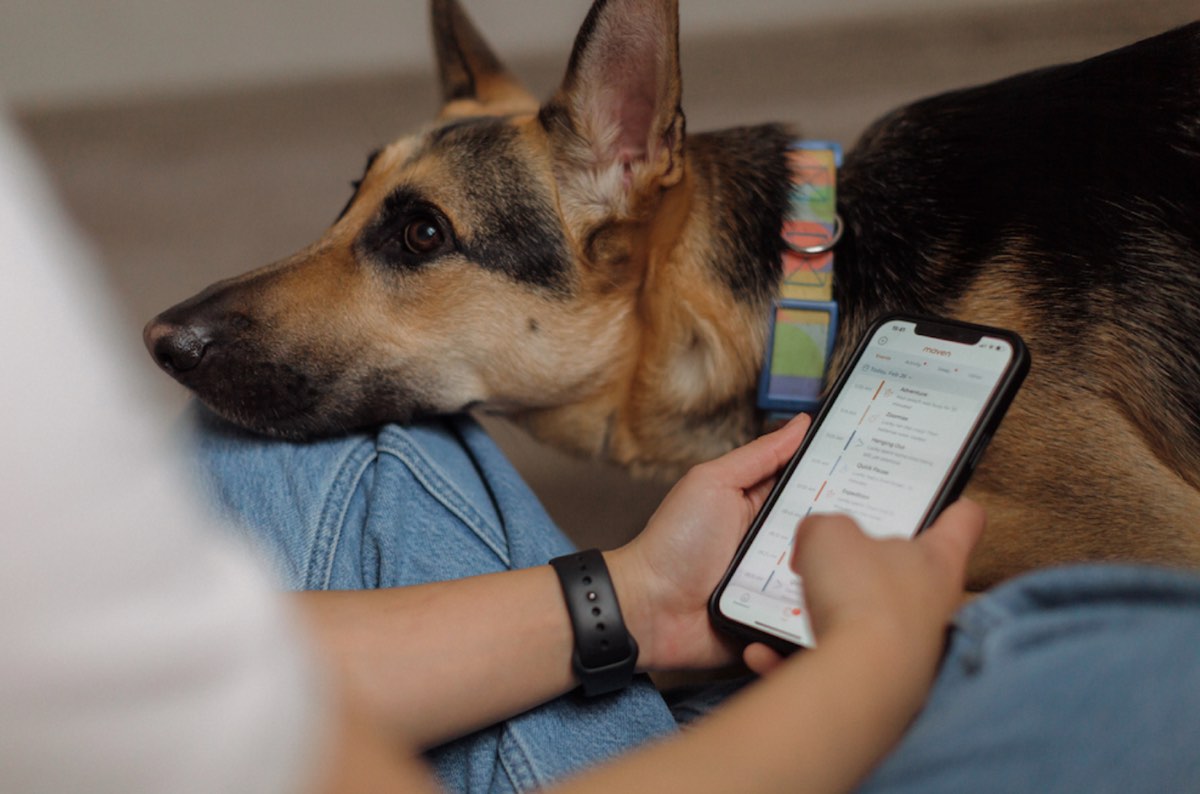
For years, the concept of a “pet tracker” primarily meant GPS devices, reassuring owners about one thing: where their dog was at any given moment. While location tracking remains valuable, it only answers a fraction of the questions pet parents ask daily. The more urgent question—how is my dog really doing?—has largely gone unanswered. That’s changing thanks to sensor-driven health trackers, which focus not on movement across the yard or neighborhood but on the subtle signs of wellness that often go unnoticed.
Unlike GPS devices, health trackers monitor a dog’s daily rhythms, providing continuous insights into activity, sleep, breathing, and hydration. By turning these behaviors into measurable data, pet owners can catch early indicators of illness, stress, or discomfort before they escalate into serious conditions. One company leading this charge is Maven Pet, whose lightweight sensor clips to a standard collar and connects to a health-focused app. It doesn’t track a dog’s adventures outdoors, but it can alert owners to spikes in resting respiratory rates, unusually fragmented sleep, or sudden changes in drinking habits—metrics increasingly recognized as critical to long-term pet health.
Why GPS Alone Isn’t Enough
GPS trackers are indispensable for locating lost pets, yet they provide little information about a dog’s internal wellbeing. For instance, a dog with early-stage kidney disease may be drinking far more water than usual. A dog developing heart issues might experience restless nights. These subtle signals often precede visible symptoms and can be easily missed by the untrained eye. By the time these conditions become obvious, treatment may be more complicated, invasive, or costly.
Dogs are biologically predisposed to mask pain or discomfort, a trait inherited from their ancestors in the wild. For pet parents, this means early signs of illness—like hesitation before jumping onto furniture, subtle changes in drinking, or mild nighttime pacing—can appear negligible, even when they indicate underlying health problems. Traditional veterinary visits, typically once or twice a year, leave large gaps in monitoring. Continuous data collection via health trackers helps fill this gap, creating a record of behavior that can reveal issues long before they escalate.
What Health Trackers Measure
Modern devices focus on metrics that truly matter:
-
Activity: Detects changes in daytime energy or nighttime restlessness.
-
Sleep: Monitors duration and frequency of interruptions.
-
Respiratory rate: Tracks breaths per minute at rest to flag potential heart or lung concerns.
-
Hydration: Identifies spikes or drops in water intake, potentially signaling metabolic or kidney issues.
AI-driven algorithms translate raw data into actionable insights, establishing personalized baselines for each dog. Owners receive clear alerts such as, “Restless sleep detected” or “Hydration spike noted”, allowing them to respond proactively rather than reactively.
A Real-Life Example
Consider Kirby, a nine-year-old Maltipoo with a history of heart disease. While staying with a friend, he appeared normal: eating, napping, and wagging his tail. Yet his Maven Pet tracker told another story: increased water intake, fragmented nighttime sleep, and occasional accidents in the house. These patterns indicated stress and anxiety from the new environment. Upon returning home, his metrics normalized, confirming the tracker’s observations. Such continuous monitoring provides veterinarians with quantifiable data that would otherwise rely solely on subjective owner reports.
Why 2025 Is the Tipping Point
Several factors are driving widespread adoption of pet health trackers:
-
Rising veterinary costs: Early detection often prevents expensive emergency care.
-
Stronger human-pet bonds: Owners increasingly see pets as family members, mirroring trends in human wearable tech.
-
Advanced technology: Modern trackers are lightweight, accurate, and seamlessly integrated with apps, requiring no medical expertise to interpret.
-
Awareness of GPS limitations: Pet owners now understand that location alone doesn’t protect against silent health risks.
What Veterinarians Are Saying
Vets increasingly view these devices as complements to clinical care, not replacements. Data from trackers enables more precise consultations, turning vague observations into actionable metrics. For example, an owner can report, “Resting respiratory rate increased by 20% over the past week”, giving the vet a solid foundation for diagnosis and treatment.
The Road Ahead
The future of dog wellness is unfolding in homes, with sensor-driven trackers monitoring daily life quietly and continuously. GPS will remain important for safety, but health trackers provide the vital context that location alone cannot. As adoption grows, it is easy to imagine a world where a health tracker is as standard on a dog collar as an ID tag.
For pet parents, the promise is clear: loving a dog means more than keeping them close—it means listening to the signs they cannot speak for themselves. Sensor-driven health trackers are making that possible, turning invisible signals into early warnings, and fundamentally changing the way we care for our canine companions.