
Health authorities are investigating a growing outbreak of Salmonella infections linked to dog food and treats, with dozens of confirmed cases reported across North America. As of the latest update, 27 laboratory-confirmed cases have been identified, including one in Ontario. While no single supplier has been pinpointed, contaminated kibble, dehydrated, and freeze-dried treats appear to be associated with the illnesses.
The outbreak has affected people of all ages, from children to seniors up to 87 years old, with 59% of cases occurring in women. Symptoms typically develop within six to 72 hours after exposure and can range from chills, fever, nausea, vomiting, diarrhea, stomach cramps, to sudden headaches. Although the majority of cases resolve within four to seven days without treatment, Salmonella infection can be serious, particularly for the very young, elderly, or immunocompromised individuals. Currently, six hospitalizations have been reported, but fortunately, no deaths have been recorded.
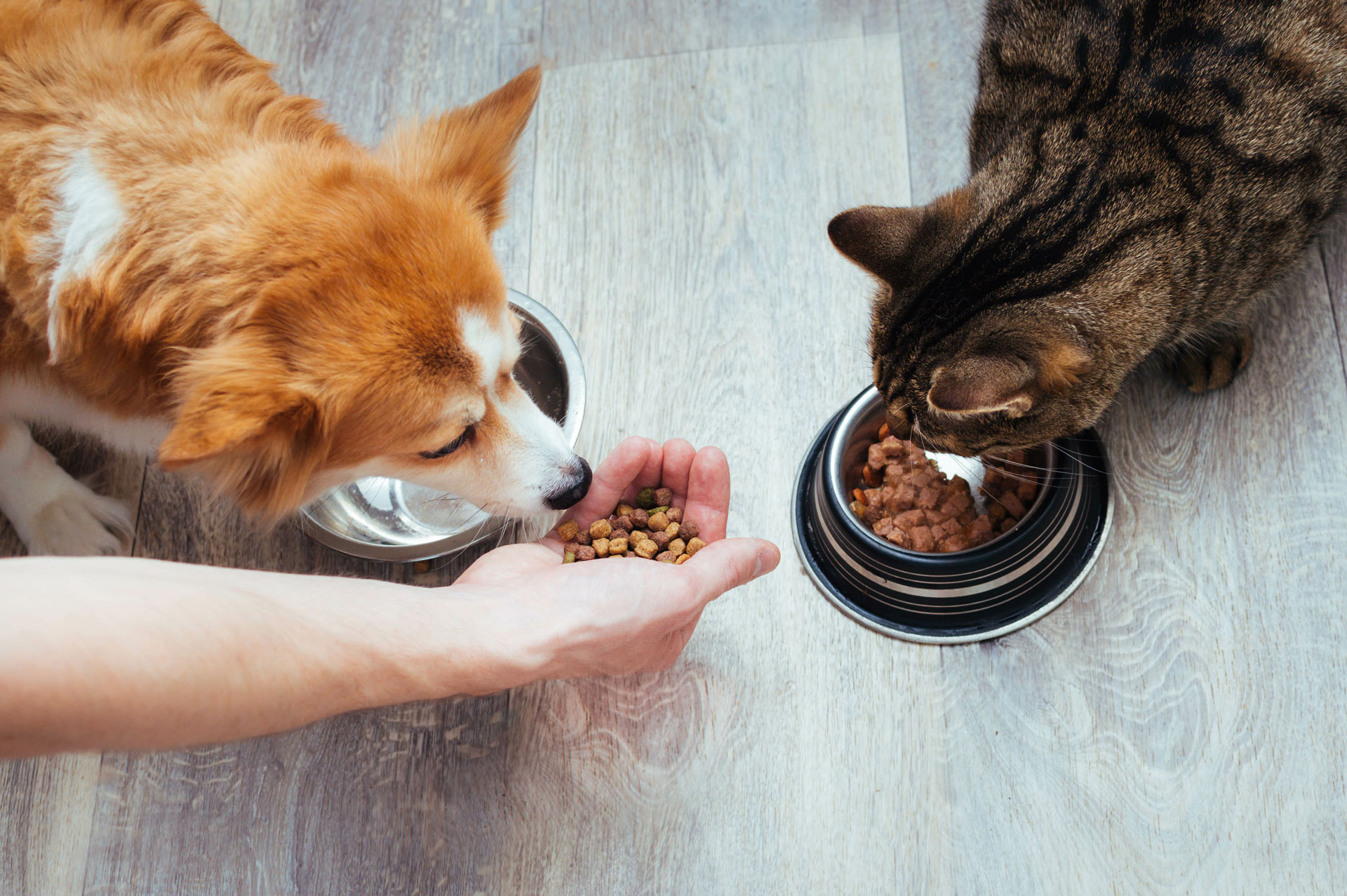
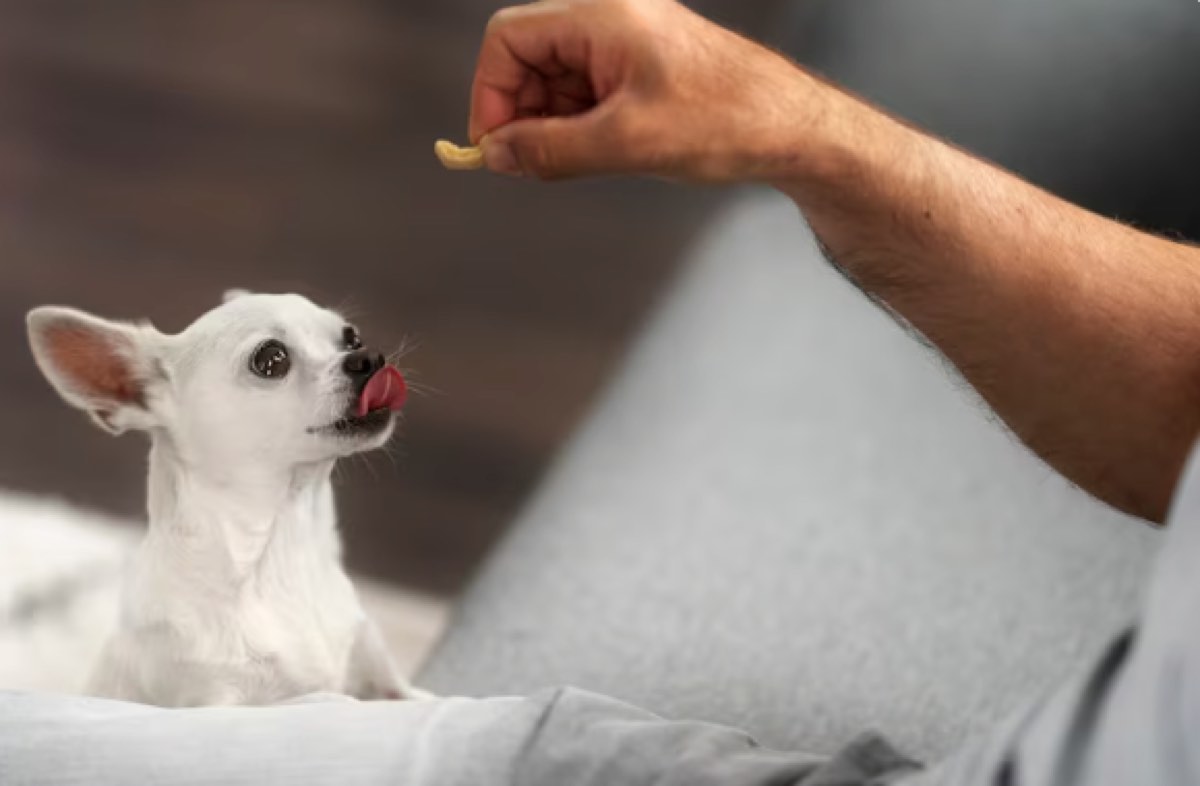
One of the challenges of this outbreak is that contaminated dog food or treats often look and smell normal. People may unknowingly become exposed while handling their pet’s food. Even pets that appear healthy can carry the bacteria and spread it to humans, sometimes for several days or weeks after the initial infection, even in the absence of symptoms. This makes good hygiene and careful handling of dog food critical for preventing illness.
Health experts recommend several key precautions to reduce the risk of infection:
-
Hand hygiene: Wash your hands thoroughly with soap and water after handling dog food, treats, or contact with your pet. Teach children to do the same.
-
Sanitize surfaces: Clean and disinfect containers, utensils, and surfaces that have come into contact with pet food. This includes bowls, countertops, microwaves, and refrigerators.
-
Use dedicated feeding tools: Keep dog dishes and utensils separate from human dishes and wash them independently.
-
Proper storage: Follow storage instructions on packaging, refrigerate or freeze products as needed, and keep pet food away from human food and out of reach of children.
-
Read labels carefully: Understand the ingredients, expiration date, and whether the food is raw, dehydrated, freeze-dried, or cooked. Raw pet foods may carry a higher risk of bacterial contamination.
-
Dog waste precautions: Wash hands after cleaning up after your dog. Even healthy-appearing pets can transmit Salmonella through their environment.
The reporting period for this outbreak ranges from 11 to 45 days, meaning additional cases may emerge in the coming weeks. Pet owners are urged to remain vigilant and follow recommended hygiene practices when handling pet food or treats.
While Salmonella infection from pets is relatively uncommon, this outbreak highlights the importance of safe pet food handling and preventive measures. Awareness and proper sanitation can significantly reduce the risk of illness, keeping both humans and their furry companions healthy.
By following basic hygiene, carefully storing and handling dog food, and remaining alert to potential symptoms, pet owners can enjoy the companionship of their pets while minimizing the risk of Salmonella exposure.