
Introduction: A Joyful Journey Begins
Bringing home a puppy is one of life’s happiest moments. Their tiny paws, wagging tails, and playful energy light up every corner of your home. But along with the cuddles and laughter comes a big responsibility: helping your puppy grow into a well-behaved, confident, and happy dog.
That’s where training steps in—not as a chore, but as a joyful journey that builds trust, strengthens your bond, and sets the foundation for a lifetime of love and companionship.
In this blog, I’ll walk you through the importance of puppy training, why starting early matters, and how you can use 10 practical tips to make the process smoother, more enjoyable, and more effective.
Why Puppy Training Matters
Training is about more than teaching “sit” or “stay.” It’s about creating harmony in your home and giving your pup the skills they need to navigate the world safely and happily.
- Confidence & Security: A trained puppy feels secure knowing what’s expected of them.
- Safety: Commands like come and leave it can literally save your pup’s life.
- Bonding: Training deepens the relationship between you and your puppy.
- Happiness: Dogs are happiest when they know their role in the family “pack.”
Think of training as giving your puppy the gift of understanding—showing them how to be their best, most joyful selves.
Practical Tips for Puppy Training Success
Here are 10 tried-and-true tips I share with every new puppy parent. They’ll help transform your little furball from mischievous troublemaker to polite, well-mannered family member.
Tip 1: Start Early, Start Small
The earlier you begin, the easier training becomes. Puppies are like sponges in their first few months—absorbing every lesson, every routine, and every habit (good or bad!).
- Begin with simple commands like sit, come, and stay.
- Keep sessions short—just 5 to 10 minutes at a time.
- Use happy tones and plenty of praise.
Remember: every small success is a step toward big results.
Tip 2: Consistency is Key
Puppies thrive on routine. If you tell them “off” when they jump on the couch one day but laugh and cuddle them the next, they’ll be confused.
- Pick words and stick to them. (e.g., always use “down” instead of mixing “off” and “no.”)
- Create a daily schedule for feeding, potty breaks, and playtime.
- Encourage everyone in the household to use the same commands.
Your pup learns best when the rules are clear and consistent.
Tip 3: Positive Reinforcement Wins Every Time
Dogs repeat behaviors that get rewarded. Instead of scolding mistakes, focus on celebrating successes.
- Use treats, toys, and praise as rewards.
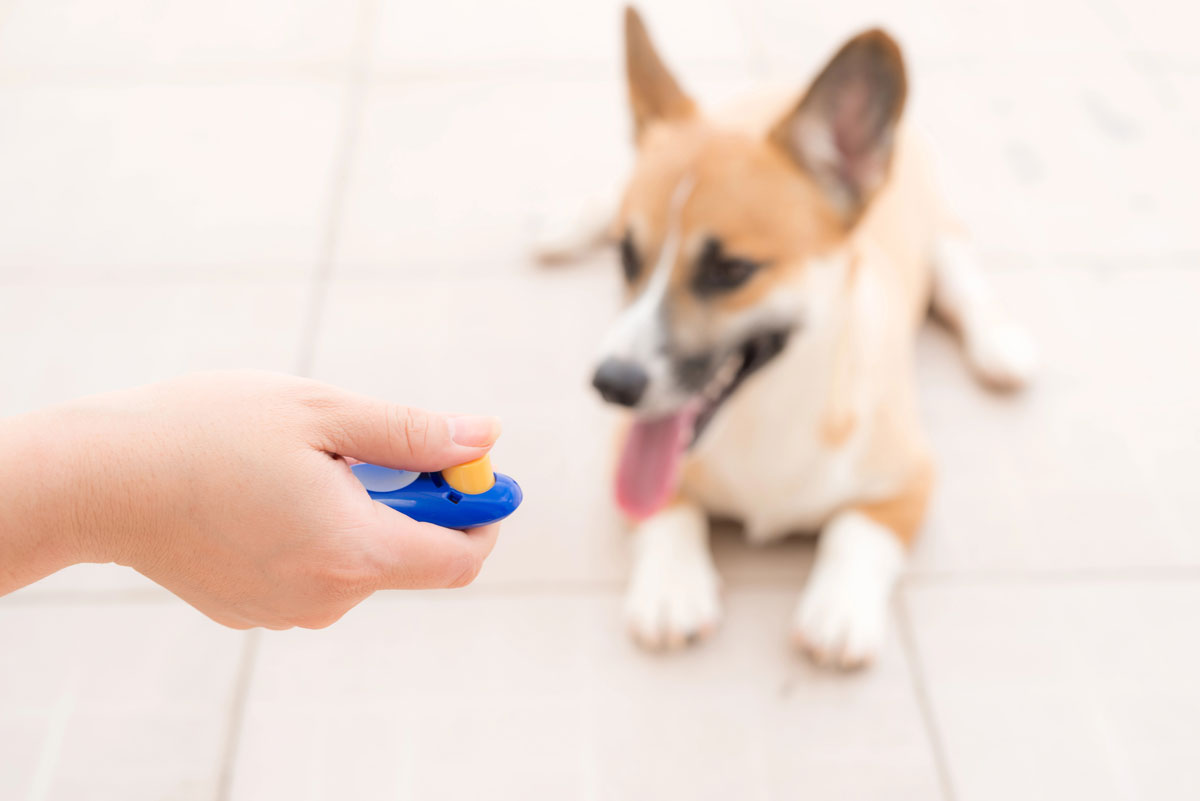
- Mark the good behavior instantly so your puppy makes the connection.
- Keep a happy voice—it’s more powerful than you think!
With positivity, your pup will see training as fun rather than stressful.
Tip 4: Master the Art of Potty Training
Housebreaking is the #1 concern for most new puppy parents—and I promise, it’s achievable with patience.
- Take your puppy outside every 2–3 hours and always after meals, naps, and play.
- Choose a designated potty spot so they associate it with “the bathroom.”
- Celebrate success with treats and happy praise the moment they go outside.
Accidents happen—don’t punish. Simply clean it up and stay consistent with your routine.
Tip 5: Socialization is Non-Negotiable
Well-socialized puppies grow into confident, friendly adults. Socialization isn’t just about meeting people; it’s about introducing your pup to all sorts of sights, sounds, and experiences.
- Introduce them to children, adults, and other friendly dogs.
- Expose them to car rides, doorbells, vacuum cleaners, and even umbrellas.
- Keep experiences positive and gradual—never overwhelming.
A well-socialized puppy is far less likely to develop anxiety or aggression later in life.
Tip 6: Teach the “Big Five” Commands
There are hundreds of fun tricks, but five essential commands form the foundation for obedience:
- Sit – Builds focus and patience.
- Stay – Promotes safety and self-control.
- Come – Critical for recall in emergencies.
- Down – Helps calm your puppy in busy environments.
- Leave it – Prevents them from eating or grabbing unsafe objects.
These five commands will make your daily life infinitely easier—and safer—for both you and your pup.
Tip 7: Redirect, Don’t Scold
Puppies explore with their mouths, and chewing is a natural instinct. Instead of punishing, redirect them.
- Provide safe chew toys.
- If they grab your shoe, calmly replace it with a toy.
- Reward them when they choose the right item.
Redirection teaches your puppy what’s acceptable without damaging your bond.
Tip 8: Patience Makes Perfect
Training is not a sprint—it’s a marathon. Puppies don’t become perfectly behaved overnight.
- Set realistic expectations.
- Celebrate progress, no matter how small.
- Stay calm, even on messy days.
The journey is just as important as the destination.
Tip 9: Keep It Fun and Playful
Training should never feel like a punishment. When your puppy sees it as a game, learning becomes natural.
- Use short, playful sessions.
- Mix training with games like fetch or tug-of-war.
- End on a positive note so your pup looks forward to the next lesson.
If you’re smiling, your puppy probably is too.
Tip 10: Seek Help When Needed
Even the happiest dog trainers know: some challenges require extra support.
- Join a puppy training class to learn alongside other owners.
- Consult a certified dog trainer for personalized guidance.
- Use online communities and resources when you need inspiration.
There’s no shame in asking for help—what matters most is your puppy’s success and happiness.
 The Bigger Picture: Building a Lifelong Bond
When you invest in training, you’re not just teaching commands—you’re building a lifelong friendship based on trust, respect, and love. Every potty break, every command, every shared success strengthens your connection with your puppy.
Think of your training journey as planting seeds: with time, patience, and love, those seeds grow into a well-mannered dog who brings joy to every moment of your life.
Conclusion: From Potty Breaks to Perfect Obedience
Training isn’t just about preventing accidents or teaching tricks—it’s about creating a foundation for a happy, balanced life with your dog.
When you follow these 10 practical tips—starting early, staying consistent, rewarding success, and making training fun—you’ll not only raise a well-behaved puppy but also nurture a bond that will last a lifetime.
So, grab the treats, keep your voice cheerful, and remember: every day with your puppy is a chance to teach, to learn, and to love.
Here’s to wagging tails, joyful barks, and a lifetime of companionship! 🐾