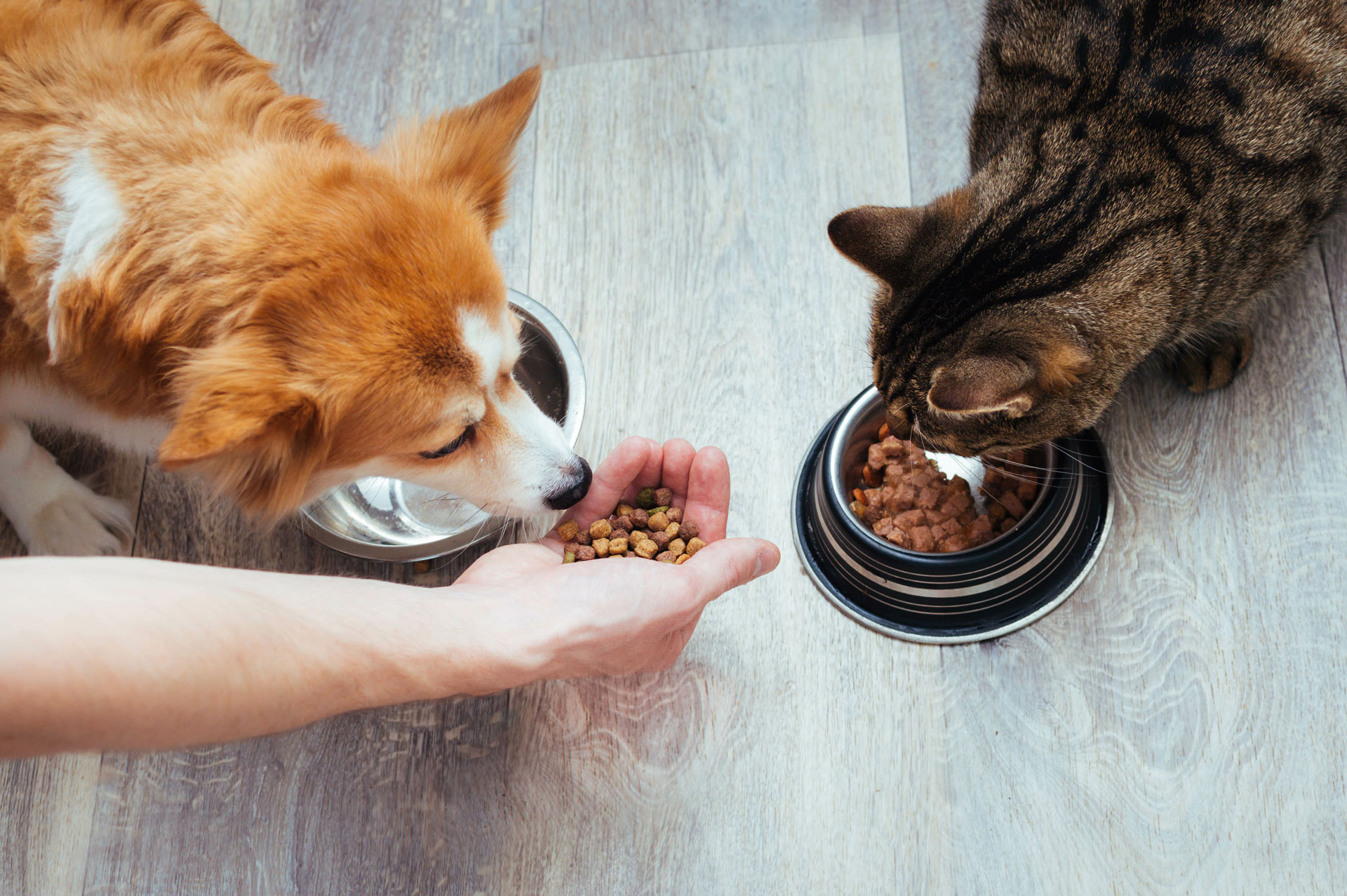


As a lifelong pet owner, I often find myself lying awake at night wondering if my furry companions are truly happy. They can’t speak our language, so we rely on their behavior, their eyes, and their body language to understand how they feel. But the truth is, it’s not always obvious. A wagging tail or a loud purr doesn’t necessarily mean your pet is thriving emotionally.
Happiness in pets is about more than full food bowls and comfy beds—it’s about their emotional well-being, sense of security, and daily fulfillment. If you’ve ever asked yourself, “Is my pet happy, or just getting by?”, you’re not alone. The good news is that pets show us clear signs when their hearts and minds are content.
Today, I’ll share the 8 most important signs of pet happiness every owner should watch for, along with 10 practical tips that I’ve personally tested with my own pets. Hopefully, these insights will help you better understand your four-legged family members and give them the joyful life they deserve.
1. A Healthy Appetite 🥩
A happy pet usually has a steady, healthy appetite. Of course, there are exceptions—pets may eat less when it’s hot or after a vet visit—but in general, an eager approach to mealtime signals good emotional and physical health.
On the other hand, a sudden change in eating habits—whether overeating, refusing food, or showing pickiness—can be a red flag. Emotional distress, boredom, or illness can all affect appetite.
Tip #1: Create a consistent feeding routine. Pets thrive on predictability. Feeding them at the same time every day not only reassures them but also helps you spot changes in appetite early.
Tip #2: Add enrichment to mealtime. Use puzzle feeders or scatter kibble in a snuffle mat to engage your pet’s mind while they eat. This turns mealtime into a joyful experience rather than just another routine.
2. Relaxed Body Language 🐕🐈
A truly happy pet looks comfortable in their skin. Dogs may flop on their backs with bellies exposed, cats may curl up purring in sunbeams, and both may walk with loose, fluid movements.
Signs of tension, however—pinned ears, tucked tails, stiff posture—suggest stress or anxiety. I’ve learned to pay attention to these subtle cues, especially in crowded or loud environments.
Tip #3: Provide safe spaces. Make sure your pet has a quiet, cozy spot where they can retreat when they feel overwhelmed. For my cat, it’s a soft blanket in the closet. For my dog, it’s a crate with the door left open.
3. Playfulness and Curiosity 🎾
A happy pet shows genuine interest in their surroundings. They chase toys, sniff new scents, explore the yard, and sometimes even get into a little mischief. That curiosity is a strong sign of a healthy, stimulated mind.
But when a pet suddenly loses interest in play, it might indicate boredom, sadness, or even pain.
Tip #4: Rotate toys regularly. Instead of buying endless new toys, just keep a few out at a time and rotate weekly. This makes old toys feel “new” and reignites excitement.
Tip #5: Schedule interactive play. Whether it’s fetch, tug-of-war, or laser pointer chases, setting aside even 15 minutes of daily playtime strengthens your bond and boosts your pet’s happiness.
4. Affection and Bonding ❤️
Pets who are happy seek connection. My dog often leans into my legs or rests his head on my lap, while my cat gently taps my arm for pets. These gestures show trust and affection.
Withdrawal, hiding, or avoiding contact could suggest stress or unhappiness.
Tip #6: Respect their boundaries. Not all pets show love the same way. Some crave constant cuddles, while others prefer sitting nearby without physical touch. Learn your pet’s “love language” and respond accordingly.
5. Good Sleep Patterns 😴
A happy, secure pet sleeps deeply and comfortably. Cats may snooze up to 16 hours a day, dogs between 12 and 14 depending on age. What matters most is quality: relaxed posture, steady breathing, and peaceful rest.
A restless, pacing pet or one that startles easily from sleep may be anxious or uncomfortable.
Tip #7: Create a bedtime ritual. Just like children, pets benefit from routine. Try a calming walk for dogs or a gentle play session for cats before settling them into their sleeping spot.
6. Healthy Social Interactions 🐾
A happy pet interacts positively with family members, other pets, and even strangers (depending on their personality). Dogs may wag tails enthusiastically, while cats may rub against legs or chirp when you walk in the door.
But if your pet becomes unusually aggressive, withdrawn, or fearful, it may be a sign they’re unhappy or unwell.
Tip #8: Organize controlled socialization. For dogs, this could mean safe playdates or supervised visits to the park. For cats, try introducing new people slowly with treats and calm voices.
7. Steady Energy Levels ⚡
A content pet has balanced energy—not bouncing off the walls from boredom, but not sluggish or uninterested either. My dog lights up at the sight of his leash but settles calmly afterward. My cat bursts into playful sprints, then relaxes for hours.
Extreme changes in energy—sudden lethargy or hyperactivity—often point to underlying issues.
Tip #9: Match exercise to your pet’s breed and age. High-energy dogs like border collies need far more stimulation than senior pugs. Even indoor cats benefit from short bursts of play to burn energy.
8. Clear Communication with You 👀🐾
The ultimate sign of a happy pet? They communicate openly. They bark, meow, chirp, or nudge when they need something, and you’ve built a level of understanding together. This two-way communication shows deep trust.
Tip #10: Respond consistently to cues. If your pet paws at the door to go outside, acknowledge and act. When you respond reliably, your pet feels heard and secure.
Why These Signs Matter So Much
It’s easy to assume that because we provide food, water, and shelter, our pets are automatically happy. But emotional health is just as important as physical health. Pets can experience depression, anxiety, and loneliness—just like humans.
When we recognize the 8 signs of happiness—healthy appetite, relaxed body language, playfulness, affection, good sleep, social interactions, steady energy, and communication—we’re not just observing behavior. We’re listening to the silent language of our beloved companions.
And when we act on those signs—through the 10 daily tips—we’re doing more than caretaking. We’re actively nurturing joy, security, and love in the lives of creatures who depend on us completely.
 My Personal Reflection as a Pet Owner
I’ll admit, there were times when I thought my pets were happy simply because they had food in their bowls and a roof over their heads. But after watching my dog’s tail tuck when visitors arrived, or noticing my cat retreat under the bed during thunderstorms, I realized happiness requires more than survival—it requires emotional safety and enrichment.
Over the years, I’ve made intentional changes: introducing puzzle feeders, carving out dedicated playtime, and creating quiet spaces. The transformation has been remarkable. My once-anxious dog now naps peacefully in the middle of the living room, belly exposed. My shy cat greets me at the door with a chirp instead of hiding.
These small shifts taught me a powerful truth: pet happiness is an ongoing journey, not a destination.
Final Thoughts
Our pets give us unconditional love, loyalty, and companionship. The least we can do is ensure they live lives filled with comfort, stimulation, and joy. By recognizing these 8 signs of happiness and applying the 10 practical tips daily, we can give our pets what they truly deserve: not just care, but genuine contentment.
So tonight, when your dog curls up at your feet or your cat stretches out beside you, take a moment to look closely. Are they relaxed? Content? Secure? If so, you’re doing something right. If not, now you have the tools to make a change.
After all, our pets may not speak our language—but they’re always telling us how they feel. The question is: are we listening?
Pet Happiness FAQ
How do I know if my pet is truly happy, not just comfortable?
Look for a cluster of signals over time: relaxed body language, steady appetite, curiosity/play, affectionate check-ins, quality sleep, positive social interactions, balanced energy, and clear communication.
My pet eats and sleeps fine, but rarely plays. Should I worry?
Reduced play can be normal with age or temperament; sudden loss of interest may be pain, stress, or boredom. Add short interactive sessions, rotate toys, and see your vet if it’s new.
What’s the difference between normal sleep and “shut-down” behavior?
Normal sleep is relaxed and varied; shut-down looks like avoiding engagement all day and startling easily. Increase gentle enrichment and consult your vet if unsure.
Does tail wagging always mean happiness?
No. Read the whole body. Soft eyes, loose jaw, relaxed ears = joy. Stiff posture, pinned ears, high fast whip-wag = stress/arousal.
My cat hides from guests. Is my cat unhappy?
Not necessarily. Provide vertical spaces and hideaways, offer choice, and use treats from a distance. Happiness for shy cats = safety + control.
How much daily enrichment does a typical pet need?
Multiple micro-sessions: 10–15 minutes interactive play, species-appropriate puzzles, and (for dogs) 30–90 minutes of activity matched to age/breed.
Can routine alone make pets happier?
Yes. Predictable feeding, potty, play, and sleep windows reduce anxiety and support more relaxed, playful behavior.
What are early red flags of emotional distress?
Shifts in appetite, sleep, or energy; hiding/pacing; loss of interest; clinginess/withdrawal; reactivity; over-grooming/repetitive behaviors.
Could pain be mistaken for “bad behavior”?
Often. New irritability, reluctance to jump/walk, or litter box changes can be pain. Rule out medical issues first.
Quick home changes to boost happiness?
Safe zones, toy rotation, puzzle feeders, short training games, and appropriate scratching/chewing outlets.
How do I bond with a touch-sensitive pet?
Use consent-based interaction: invite, pause, observe. Let your pet opt in. Build trust with calm proximity and low-pressure games.
When should I seek professional help?
If changes last a week, appear suddenly, or involve aggression, house-soiling, self-injury, or appetite loss—contact your vet and consider a certified behavior professional.