

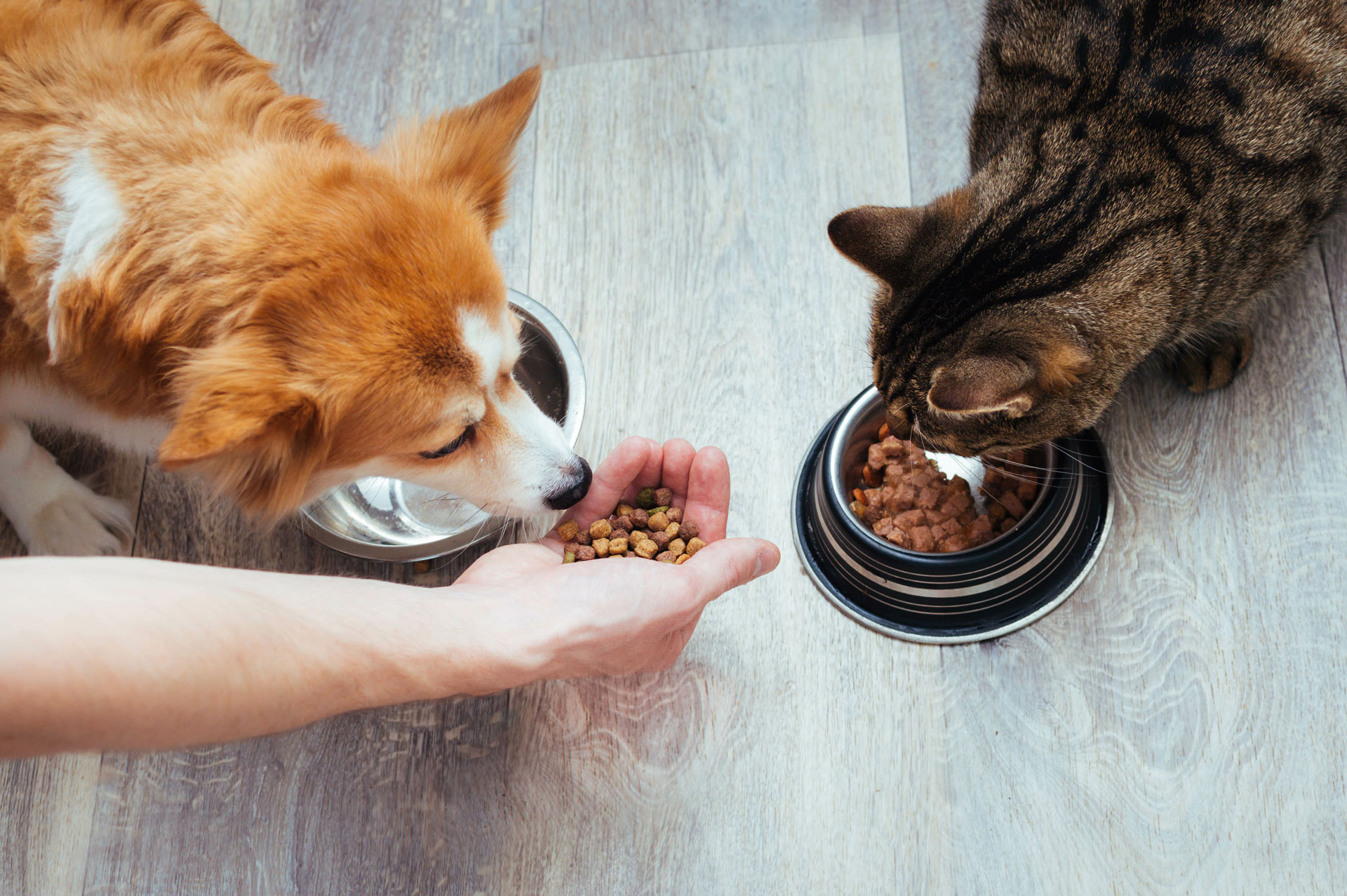
A Professional Perspective from a Dedicated Dog and Cat Owner
As someone who has shared a home, a life, and countless daily routines with both dogs and cats, I’ve learned that nutrition is far more than just feeding them “good food.” It’s about understanding how dietary choices influence longevity, behavior, energy levels, immune response, and long-term health outcomes. Over the years, I’ve consulted veterinarians, animal nutritionists, and specialists—not just because I wanted my pets to survive, but because I wanted them to thrive.
What I discovered is that veterinarians often have nutrition insights that many pet owners never hear. Sometimes the information gets lost in the short time we have during routine appointments. Other times, we simply don’t know what questions to ask. This article pulls back the curtain on these “pet nutrition secrets” and presents them in a professional yet easy-to-understand way, giving you real-world strategies to improve your dog or cat’s well-being starting today.
Why Nutrition Matters More Than Owners Realize
Most pet owners assume nutrition is simple: feed a reputable brand, avoid toxic foods, and offer clean water. But the truth is, nutrition is deeply connected to:
-
Organ health (liver, kidneys, heart)
-
Disease prevention
-
Healthy weight and mobility
-
Skin and coat condition
-
Digestive performance
-
Dental health
-
Energy levels and mood
-
Lifespan
Veterinarians consistently emphasize that quality nutrition can prevent 70–80% of common chronic conditions seen in household pets today.
As a dog and cat owner, I’ve watched firsthand how my pets’ bodies respond to proper nutrition: clearer eyes, reduced shedding, fewer digestive upsets, improved joint comfort, and more enthusiasm during daily activities. Over time, I’ve realized that nutrition isn’t just a support system—it’s a foundation for everything else.
Secret #1: The Ingredient List Doesn’t Tell the Full Story
Vets frequently explain that ingredients on packaging can be misleading. Pet food companies are required to list ingredients in descending weight order, but:
-
Ingredients with high water content (like fresh meat) appear higher even if the true nutritional contribution is small.
-
“Meal” ingredients, when high-quality, can be much more nutrient-dense than fresh meat.
-
Marketing terms like “natural,” “premium,” or “holistic” are not regulated for nutritional credibility.
What matters most:
-
The nutrient profile
-
Digestibility
-
Bioavailability
-
Third-party feeding trials
-
Veterinary nutritionist approval
Professional Tip #1:
Evaluate foods based on AAFCO nutritional adequacy statements, not just pretty labels. AAFCO ensures that food meets minimum nutritional requirements for the pet’s life stage.
Secret #2: Life Stage Nutrition Is Non-Negotiable
A growing puppy or kitten needs dramatically different nutrients compared to an adult or senior pet. Yet many owners feed the same formula from early adulthood onward.
Veterinarians highlight that feeding the wrong life stage food can cause:
-
Bone development issues
-
Obesity
-
Kidney strain
-
Heart problems
-
Nutrient deficiencies
Senior pets also require more specialized diets, especially for:
-
Joint protection
-
Kidney function
-
Healthy weight maintenance
-
Cognitive wellness
Professional Tip #2:
Reassess your pet’s diet at every major milestone—6 months, 1 year, 5 years, 8 years, and 10+ years. Their bodies change, and so should their nutrition.
Secret #3: Portion Control Is More Important Than the Brand
Even the healthiest food becomes unhealthy if a pet eats too much of it. Veterinarians say overfeeding is one of the most common and costly mistakes owners make.
Obesity contributes to:
-
Diabetes
-
Heart disease
-
Joint deterioration
-
Reduced lifespan
-
Digestive issues
-
Increased inflammation
Cats are especially sensitive to overeating and can develop hepatic lipidosis, a severe liver disease.
Professional Tip #3:
Use a digital kitchen scale to measure food accurately instead of scoops. Scoop sizes vary, but grams don’t.
Secret #4: Hydration Is an Overlooked Nutrition Element
Veterinarians emphasize that hydration is essential for organ function, digestion, kidney health, and toxin removal. Yet many dogs and especially cats don’t drink enough.
Cats instinctively consume moisture through prey—not bowls—so dry food alone often leads to chronic dehydration.
Professional Tip #4:
Increase moisture by adding wet food, bone broth (no onion or added salt), or water to kibble. For cats, use cat fountains—they trigger natural drinking instincts.
Secret #5: Not All Protein Sources Are Equal
Protein quality determines how much of the nutrient your pet can actually use. Vets explain that some proteins contain all essential amino acids, while others fall short.
High-quality proteins:
-
Chicken
-
Turkey
-
Egg
-
Fish
-
Beef (lean)
-
Lamb
Lower-quality or less complete proteins:
-
By-products from unknown sources
-
Plant proteins used as fillers
-
Low-meat formulas marketed as “vegan” or “grain-free” (which can be problematic)
Professional Tip #5:
Choose foods where high-quality animal proteins are the primary source of amino acids—especially for cats, who are obligate carnivores.
 Secret #6: Grain-Free Diets Are Not Automatically Healthier
For years, “grain-free” became the dominant marketing trend, but many veterinarians warn against assuming grain-free equals good. In fact, the FDA investigated possible connections between grain-free diets and dilated cardiomyopathy (DCM) in dogs.
While not all grain-free diets are harmful, many use legumes like peas, lentils, and chickpeas as primary ingredients, which may interfere with nutrient absorption.
Professional Tip #6:
Unless your pet has a diagnosed grain allergy, grains such as rice, oats, and barley can provide healthy energy and support digestion.
Secret #7: Supplements Are Not One-Size-Fits-All
Owners often overuse supplements believing they are either harmless or universally beneficial. Vets caution that too much of certain vitamins or minerals can be toxic.
Common supplement mistakes include:
-
Over-supplementing calcium in puppies
-
Giving vitamin D without a vet’s approval
-
Using fish oil without considering mercury or oxidation
-
Adding turmeric or herbs without understanding dosage
Professional Tip #7:
Choose supplements only when recommended by your veterinarian or when backed by bloodwork or a known deficiency.
Secret #8: Dental Health Starts With Nutrition
Many owners assume dental problems are separate from diet, but vets consistently explain how nutrition influences oral health:
-
Dry food alone will not clean teeth
-
High-carb treats can feed oral bacteria
-
Poor diets accelerate tartar buildup
-
Chewing stimulates saliva—an important natural cleaner
Professional Tip #8:
Integrate dental-friendly treats, dental-specific diets if recommended, and daily brushing whenever possible. Nutrition and dental hygiene should work together.
Secret #9: Your Pet’s Stool Is a Health Report
Veterinarians frequently acknowledge that most owners don’t monitor stool closely enough. Yet the stool tells you almost everything about your pet’s digestive performance and nutrient absorption.
Healthy stool should be:
-
Well-formed
-
Moist but not sticky
-
Easy to pick up
-
Consistent
Signs of nutritional issues include:
-
Frequent diarrhea
-
Excessive gas
-
Foul odor
-
Mucus
-
Undigested food
-
Constipation
-
Irregular frequency
Professional Tip #9:
Use the stool quality chart (similar to the Bristol Stool Chart for humans) to monitor digestive health and adjust diet accordingly.
Secret #10: Nutrition Directly Affects Behavior and Mood
Behavioral changes are often rooted in diet. Veterinarians see this constantly—pets become more agitated, anxious, restless, or lethargic when they’re consuming the wrong nutrients or suffering from energy imbalances.
Examples:
-
Low B-vitamins can cause irritability
-
Poor protein quality affects cognitive stability
-
Overfeeding leads to sluggishness
-
Food allergies cause discomfort that manifests as aggression or withdrawal
-
Artificial dyes or additives can trigger hyperactivity in some dogs
As a multi-pet owner, I’ve seen dramatic behavioral improvements from simply optimizing nutrition.
Professional Tip #10:
Track your pet’s energy levels and mood after switching foods. It often reveals patterns you wouldn’t otherwise notice.
Understanding the Vet’s Perspective: Prevention Over Treatment
Veterinarians are passionate about nutrition because they know proper feeding habits dramatically reduce the risk of chronic illness. Many of the conditions they treat daily—skin allergies, upset stomachs, weight issues, kidney disease—can often be managed or prevented through targeted nutrition.
Here’s what vets wish every pet owner understood:
1. “Food is medicine.”
Nutrition strengthens the immune system from within.
2. “One diet does not fit all.”
Pets have unique needs based on age, breed, genetics, sensitivities, lifestyle, and medical history.
3. “The best diet is one your pet can digest and thrive on.”
Fancy ingredients mean nothing if your pet can’t absorb them.
4. “Trendy diets can be harmful.”
Homemade, raw, vegan, or boutique formulations require extreme caution and professional oversight.
5. “Regular diet reviews are essential.”
Your pet’s nutritional needs evolve; their diet should evolve too.
The Dog and Cat Owner’s Perspective: What Daily Life Has Taught Me
Living with pets every day puts nutrition in constant focus. Here are lessons I’ve learned—validated by veterinarians and proven through real-life experience:
1. Allergies can surprise you.
My cat developed a chicken allergy at age four despite eating chicken for years.
2. Dogs react differently to protein sources.
One of my dogs thrives on salmon-based diets, while another develops loose stools from it.
3. Small adjustments make big differences.
Adding moisture, switching treats, or adjusting portion sizes often resolves digestive problems without medication.
4. Rotational feeding prevents boredom and enhances nutrient diversity.
5. Skin and coat condition is your early warning system.
Whenever my pets’ coats look dull or flaky, it’s almost always linked to diet.
6. Energy levels change rapidly with nutrition changes.
A higher protein formula transformed my senior dog’s mobility and mood.
7. Cats require different thinking.
Cats are not small dogs—they have distinct metabolic requirements, especially for taurine.
How to Build the Perfect Daily Nutrition Routine
Below is a structured daily routine you can follow to ensure optimal pet nutrition:
Morning
-
Measure exact food portions
-
Combine dry and wet food for hydration (especially cats)
-
Observe appetite and energy levels
Midday
-
Offer low-calorie, high-quality treats
-
Provide fresh, filtered water
-
Give supplements (if prescribed)
Evening
-
Feed the second portion of daily meals
-
Check stool quality and consistency
-
Review hydration levels
-
Brush teeth or offer a dental chew
Weekly
-
Clean and refill fountains
-
Rotate proteins
-
Wash bowls thoroughly
-
Track weight and note behavioral changes
How to Talk to Your Veterinarian About Nutrition
Veterinarians appreciate informed questions. Making nutrition a part of every vet visit is one of the best ways to keep pets healthy.
Ask your vet:
-
“Is my pet’s current weight ideal for their age and breed?”
-
“Is this food appropriate for their life stage?”
-
“Does my pet need additional omega-3s or supplements?”
-
“Is wet food necessary for my cat’s hydration?”
-
“Can we review the ingredient list and analyze digestibility?”
-
“Are there new clinical nutrition studies I should consider?”
-
“Do you recommend a therapeutic diet as prevention?”
These questions open the door to deeper discussions and prevent nutrition issues from progressing unnoticed.
Final Thoughts: Nutrition Is the Foundation of a Longer, Healthier Life
As a lifelong dog and cat owner, I’ve come to realize that nutrition is the single greatest gift you can give your pets. It touches every system, every behavior, and every stage of life. The more you understand what vets really want pet owners to know, the more empowered you become in making educated, compassionate, and proactive decisions.
Good nutrition extends life.
Great nutrition enriches it.
When we feed with intention—choosing quality ingredients, monitoring portions, ensuring hydration, and collaborating with veterinary professionals—we create an environment where our beloved companions don’t just live…
they flourish.